Thursday, June 27, 2024

15 Things You Must Learn to DIY Before an EMP

Until that day comes, and it will come, it is almost impossible for us to wrap our head around the effects of a massive EMP on our lives.

We have built a technological society that all depends on the sun’s CMESs missing our planet and our satellites time and time again. It’s like some kind of strange galactic Russian roulette.

Even if the enemies of freedom don’t use nuclear capabilities to debilitate or totally wreck the power grid, eventually the sun is going to hit us with a powerful CME and the subsequent EMP is going to power down billions of people.

What happens next?

Well, we get to see a worldwide experiment in adaptability. As many of you already know, it won’t be pretty.

However, there are some things you can learn to DIY that will make a post grid life much easier to live. Not to mention, you might make the jump to off grid living on your own accord.

Home Systems

Plumbing

15 Things You Must Learn to DIY Before an EMPBasic plumbing is essential even if you are not planning on using water from the grid. Knowing how to move water around a home and a property has to be something that you can DIY.

With the right tools managing plumbing systems can be much easier than you think.

I would stockpile plumbers cement, channel locks, shark bites, and a variety of fittings.

Electrical

It’s true that the power grid could be dramatically affected by an EMP. The major sources of electricity may no longer be producing power. Still, with a basic understanding of how to wire a circuit, how to use a charge controller, and how to rig some solar panels then you could DIY your own electrical system.

Doors and Windows

Access points into your home are always going to be important after an EMP.

Learn how to frame windows and replace panes.

Remember, if things get crazy these are your man entryways into the home.

You do not want them to be damaged or inoperable.

Also, knowing how to fortify windows and doors is a great bit of learning.

Waste Management

Human Waste

There are some things that won’t stop just because an EMP occurs. One is human waste.

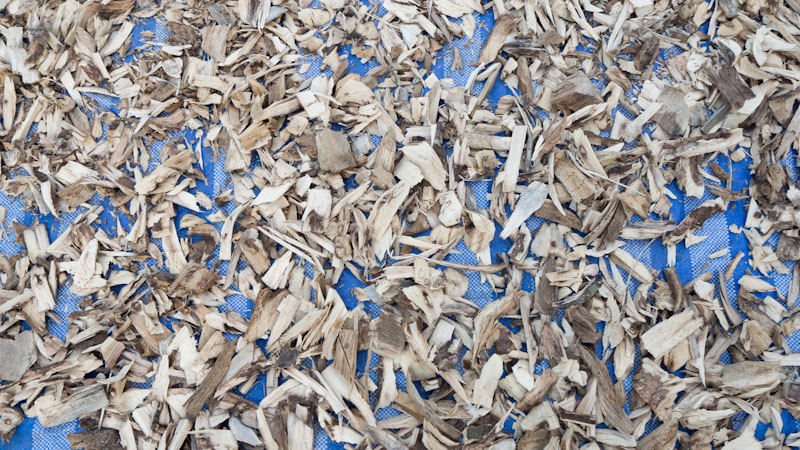
However, when your septic system or your water system gets backed up you will need an answer. A DIY human waste solution can be as simple as a 5-gallon bucket with a lid on it and enough saw dust or peat moss to cover up the waste after each use.

This mixture can even become the basis for humanure composting, should you be so inclined.

Craftsman Skills

Manipulating Metal
15 Things You Must Learn to DIY Before an EMPIn order to manipulate metal, you need heat, and you need hammers. It doesn’t hurt to have some tongs and an anvil. Just being able to heat and bend metal can solve all kinds of problems. You can fix locks, make tent stakes, metal bars for windows, hangers, hooks, even nails. Simple blacksmithing is not nearly as hard as you might think.

If you can bend metal, forge weld tools, and make knives then you are going to be a very valuable person post EMP.

Processing Wood

Maybe one of the most important DIYs to master is the processing of wood. Processing wood from tree to lumber will not only give you the ability to build, repair, and heat your home but it will also make you a very valuable person in the post EMP world. 

Fiber Work

Learning to work with fibers and create things like clothing, gloves, hats, and blankets is a great DIY skill to learn before an EMP.

While it might sound intimidating, I took a class last year at Prepper Camp on Fibers for Survival that showed every part of the process, and I left that class feeling like I could make cloth from scratch with some practice.

Personal Hygiene
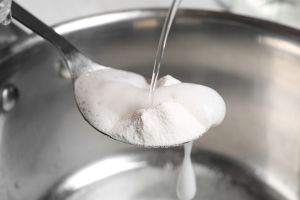
15 Things You Must Learn to DIY Before an EMPStore baking soda. If you have baking soda and essential oils then you are going to be able to make things like toothpaste, mouthwash, deodorant, and even a crude conditioner.

Turning your wood ash into lye is another great skill to consider as you will be able to make soap.

Of course this is another skill that requires some practice.

DIY Off Grid Comms

The worst time to try and learn how to use that Baofeng is immediately after a serious disaster. My friend Phil Rabalais says it best, “Comms is sorcery.” So, you should spend some time in the spell book now, while the grid is operable.

You should store your off-grid comms inside an EMP-Proof Cloth. This assures you that when the time comes, EMP or not, you will have the option to listen and broadcast.

Food and Water

Gardening & Fertilizing

Think about your gardening process. How you build beds, how you fill beds, how you seed that soil, all of that will need to happen without transportation. In other words, you cannot get dirt trucked in or go buy bags of topsoil and materials to create new garden beds.

DIY compost is an easy way to get headed in the right direction with this. Start a compost pile this year so you have a means of feeding your garden.

Canning
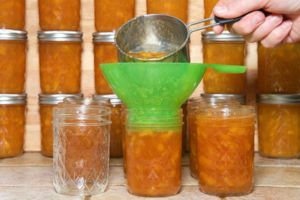
15 Things You Must Learn to DIY Before an EMPCommon air conditioning and refrigeration are going to be drastically missed in a post EMP world. Without electricity you are not going to be able to keep things cold like you used to. Food preservation will go back to canning.

You will need a canning setup and some great books with recipes on the topics. The Canning Bible is one of the best for this.

Off Grid Cooking

We take our electric stoves and oven for granted and when the grid goes down it’s not going to work anymore.

How will you prepare all of your survival food without a stove? Lean here how to build the oven that cooks without fire, fuel, smell, or smoke.

Learning to cook in cast iron Dutch ovens can be very helpful, too!

Rain Catchment

Should the taps run dry you will need a rapid solution for hydration. Rainfall is a great opportunity to harvest a lot of water, but you need a rainwater catchment system. Even if you already own rain barrels, ask yourself the question: Did you buy or make them?

If you do not know how to make a rain barrel, then you should learn. You should also have barrels on hand for this. They are affordable and pretty easy to come by. You will also want things like metal hose bibs for installation at the base of the rain barrel to easily get the water out.

Water Sanitization

15 Things You Must Learn to DIY Before an EMPHaving access to water is one thing but you need to be able to make sure that water is safe.

DIY water sanitization is likely going to include some kind of filter and a purification method.

You can create a simple sand and charcoal filter to remove large particles and impurities, followed by boiling the water or using solar disinfection to kill harmful pathogens.

Remedies

DIY Medicine

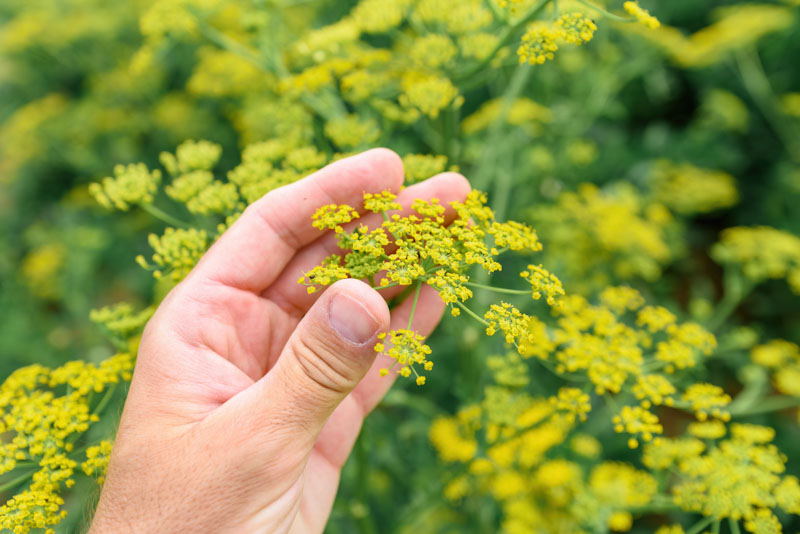
In your yard, on the fence line, around your neighborhood and in parks there are all kinds of plants and trees that can be used as medicine. As I write this, I have common plantain growing amidst the grass at arm’s length.

I used this same plant with some mint to brew up tea for a hot towel compress on my eyes. This relieved the inflammation of conjunctivitis that I was suffering from.

Protecting Your Electronics

Although not needing electronics at all might be the goal, we all know that life after an EMP will be considerably easier with at least some essential devices still working.

The best way to protect them is to cover them with an EMP cloth, a conductive fabric you can use to wrap items. The cloth acts the same way as a Faraday cage and will protect electronics from the damaging effects of EMP.

Developed by top-notch U.S. scientists after years of hard work, the EMP cloth outperforms a Faraday cage. It’s not just flexible and portable, but a reliable shield for your electronics during an EMP attack. 

We have just gone over all kinds of skills. I am sure a list like this is intimidating. Nearly every skill on this list could be a lifetime study.

It has taken me every bit of a decade to become proficient at most of these skills. I can say that I know more about them now than I did when I started. The truth is there are no substitutes for time and reps.

What you can do is start those reps today. Pick a skill and either learn about it or start fooling with it. Don’t wait till the weekend. Don’t wait till school lets out. Just get started.

Wednesday, May 22, 2024

8 Natural pain relief medications you should know about

In today’s world, dominated by pharmaceutical chemicals, it’s easy to forget the humble origins of pain relief. Long before the advent of modern medications, our ancestors turned to the bounty of nature for relief in times of discomfort. Plants, with their subtle yet effective properties, served as the earliest form of pain relief, offering respite in times of agony.

While the potency of these natural remedies may not rival that of contemporary pharmaceuticals, they do possess a unique ability to take the edge off when discomfort strikes. However, it’s essential to temper expectations and acknowledge the inherent limitations of these botanical anesthetics. They may offer relief, but they cannot match the concentrated power of their man-made counterparts.

So, let’s delve into the world of natural pain relief, uncovering some of the plants that have long been revered for their soothing qualities. Though they may not provide the instantaneous relief of modern medications, their gentler approach holds its own merits.

Plants with pain relief properties

Arnica

Arnica (Arnica montana), a perennial herb native to Europe and North America, has been used for centuries as a natural remedy for pain relief and inflammation. The plant contains compounds such as sesquiterpene lactones, flavonoids, and thymol derivatives, which are believed to possess analgesic and anti-inflammatory properties.

Arnica is commonly used topically in the form of creams, ointments, or gels to alleviate muscle aches, bruises, sprains, and joint pain. When applied to the skin, a salve made from this plant helps reduce swelling, soothe sore muscles, and promote faster healing.

Note: Avoid using arnica on broken skin or open wounds to prevent irritation.

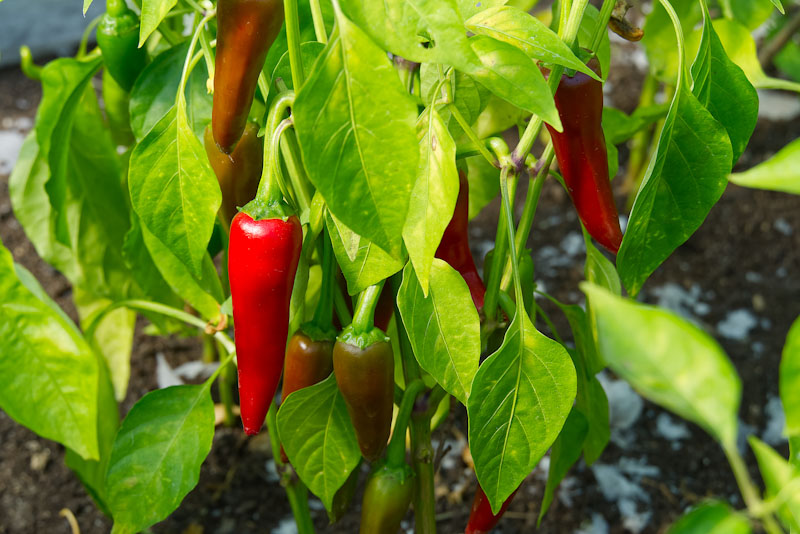
Cayenne Pepper

Cayenne pepper, derived from the Capsicum annuum plant, is a potent spice known for its fiery flavor and medicinal properties. The active component in cayenne pepper, capsaicin, is responsible for its analgesic effects. Capsaicin works by desensitizing nerve receptors in the skin, leading to a temporary numbing sensation and pain relief.

Topical preparations containing capsaicin, such as creams and patches, are commonly used all over the world to alleviate various types of pain, such as arthritis, neuropathy, and muscle soreness. When applied to the skin, cayenne pepper creams can help reduce pain signals sent to the brain, providing relief from discomfort.

Note: Cayenne pepper creams should be used with caution because they can cause a burning sensation upon application. Also, avoid applying cayenne pepper to broken or irritated skin, and wash your hands thoroughly after use to prevent accidental contact with sensitive areas, such as the eyes or mucous membranes.

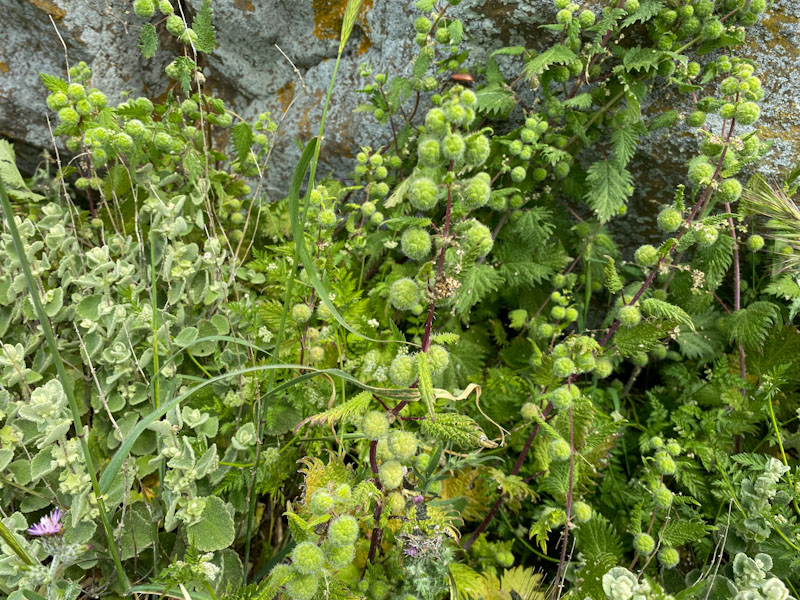
Horehound

Horehound (Marrubium vulgare) is a perennial herbaceous plant native to Europe, Asia, and North Africa. It has a long history of use in traditional medicine for its various health benefits, including its potential as a natural remedy for respiratory issues and digestive disorders. Horehound contains several bioactive compounds, including marrubiin, which is believed to possess anti-inflammatory and expectorant properties.

When it comes to pain relief, horehound is often used to alleviate sore throats and coughs associated with respiratory infections or irritation. In fact, it was the main ingredient used in cough candy, and it’s still being used today. The plant’s compounds have soothing properties and help reduce inflammation in the throat while providing relief from discomfort. Horehound can be consumed as a tea, syrup, or tablet (there are many recipes online for making your own) to help ease throat pain and promote respiratory health.

Note: Individuals with certain medical conditions or allergies should exercise caution when using horehound. Ask your doctor if you should be using the plant if you know you suffer from allergies or other health conditions.

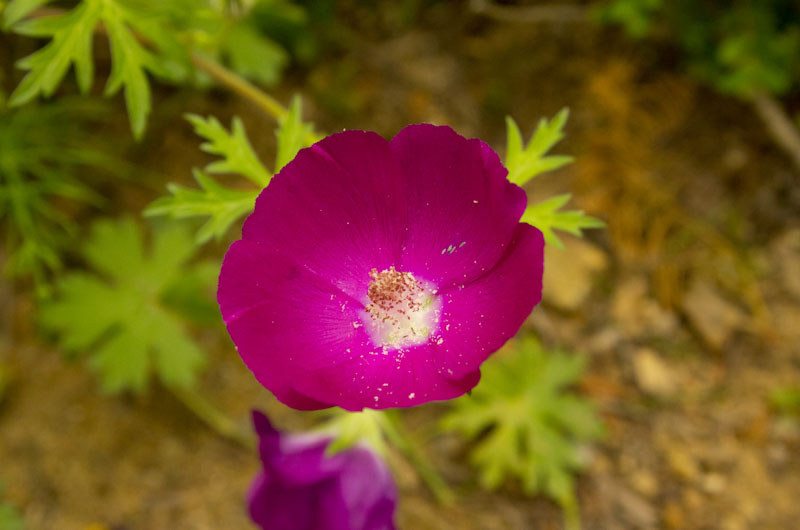
Purple Poppy-Mallow

Purple poppy-mallow (Callirhoe involucrata) is a flowering perennial plant native to North America. While it is primarily valued for its ornamental beauty, purple poppy-mallow has also been used in traditional medicine for its potential health benefits. The plant contains various phytochemicals, including flavonoids and tannins, which are believed to contribute to its medicinal properties.

To provide pain relief, the plant is sometimes used topically as a poultice or infused oil to alleviate skin irritations, minor wounds, and insect bites. The plant’s anti-inflammatory and astringent properties help reduce swelling, soothe irritation, and promote healing.

Note: Exercise caution when using the plant if you are pregnant or breastfeeding.

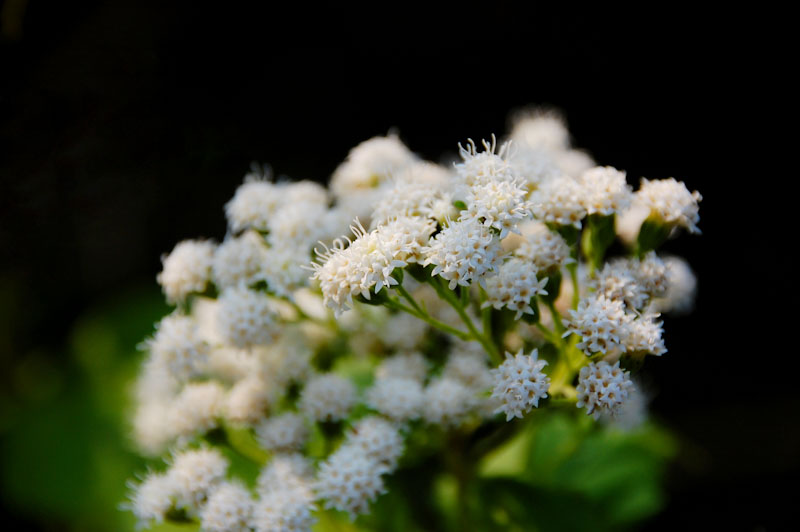
Snakeroot

Snakeroot refers to several different plants within the Ageratina and Eupatorium genera, many of which have been traditionally used in herbal medicine for their potential medicinal properties. One notable example is Ageratina altissima, also known as White Snakeroot, which is native to North America. The plant contains various compounds, including tremetol and polyphenols, which are believed to contribute to its therapeutic effects.

Historically, snakeroot has been used to alleviate various ailments, including fever, digestive issues, and pain. It has also been used topically to treat skin conditions such as wounds, rashes, and insect bites. Some studies suggest that certain compounds found in the plant may have analgesic and anti-inflammatory effects.

Note: Some species of snakeroot contain toxic compounds, such as tremetol, which can be harmful if ingested in large quantities. Caution should be exercised when using snakeroot for medicinal purposes, and consulting with a healthcare professional is highly recommended.

Wild Parsnip

Wild parsnip (Pastinaca sativa) is a biennial plant native to Europe and Asia, but it has naturalized in many parts of North America. While it is primarily known as a culinary herb, wild parsnip has also been used in traditional medicine for its potential health benefits. The plant contains various bioactive compounds, including furanocoumarins and flavonoids, which are believed to possess medicinal properties.

Wild parsnip has been used topically to alleviate skin conditions such as burns, cuts, and rashes. The plant’s anti-inflammatory and antiseptic properties may help reduce swelling, soothe irritation, and promote wound healing.

Note: Wild parsnip can cause phytophotodermatitis, a skin condition that occurs when the skin comes into contact with the plant’s sap and is subsequently exposed to sunlight. This can result in blistering, redness, and skin discoloration. As such, caution should be exercised when handling wild parsnip, and protective measures should be taken to prevent skin contact with the sap.

Willow bark

Willow bark, derived from the bark of various species of willow trees, has a long history of use in traditional medicine for its pain-relieving properties. The bark contains salicin, a compound that is converted to salicylic acid in the body, which is similar to the active ingredient found in aspirin. Salicylic acid is known for its analgesic and anti-inflammatory effects.

Historically, willow bark has been used to alleviate pain associated with conditions such as headaches, muscle aches, and arthritis. It is often consumed orally in the form of teas, tinctures, or capsules. Additionally, topical preparations containing willow bark extract may be applied to the skin to relieve localized pain and inflammation.

Note: Willow bark is generally considered safe for short-term use, but excessive consumption may lead to gastrointestinal irritation and other adverse effects. If you are allergic to aspirin or are taking blood-thinning medications, you should avoid using willow bark.

Wintergreen

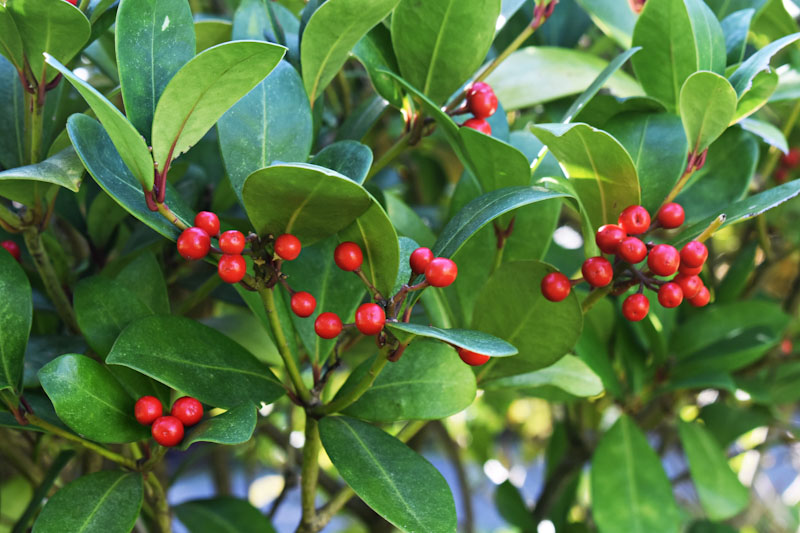
Wintergreen (Gaultheria procumbens) is a perennial evergreen shrub native to North America. The plant contains methyl salicylate, a compound with analgesic and anti-inflammatory properties similar to those found in aspirin. Wintergreen has a characteristic minty aroma and flavor and has been used in traditional medicine for its pain-relieving and soothing effects.

Topical preparations containing wintergreen oil or extract are commonly used to alleviate muscle aches, joint pain, and headaches. The oil can be applied directly to the skin or diluted with a carrier oil for massage. The cooling sensation of wintergreen oil can help reduce pain and inflammation, making it a popular remedy for sore muscles and arthritis.

Note: Wintergreen oil should be used with caution, since excessive or prolonged exposure can lead to toxicity. Methyl salicylate can be absorbed through the skin and may cause adverse effects such as skin irritation, blistering, and systemic toxicity if ingested. Wintergreen oil should never be ingested or applied to broken skin, and it should be kept out of reach of children and pets.

Ingredients:

  • 1/2 cup carrier oil (such as olive oil, coconut oil, or almond oil)
  • 2 tablespoons dried arnica flowers
  • 1 tablespoon dried cayenne pepper
  • 1 tablespoon dried wintergreen leaves
  • 2 tablespoons beeswax pellets or grated beeswax

Optional: a few drops of essential lavender oil for fragrance

Directions:

  1. In a clean, dry glass jar, combine the carrier oil with the dried arnica flowers, cayenne pepper, and wintergreen leaves. Stir well to ensure the herbs are fully coated with the oil.
  2. Seal the jar and place it in a warm, sunny spot to infuse for 2-4 weeks, shaking it gently every day to redistribute the herbs.
  3. After you let it infuse, strain the oil through a fine mesh sieve or cheesecloth to remove the herbs, pressing down to extract as much oil as possible.
  4. In a heatproof bowl set over a pot of simmering water, melt the beeswax pellets into the infused oil, stirring until fully combined.
  5. Once the beeswax is melted, remove the mixture from heat and add a few drops of optional essential oil for fragrance, if desired. Stir well to distribute the fragrance evenly.
  6. Carefully pour the salve into clean, dry containers, such as small jars, and allow it to cool and solidify completely before sealing the containers with lids.

How to use:

Simply apply a small amount to the affected area and massage it gently into the skin. Avoid applying to broken skin or sensitive areas, and wash your hands thoroughly after use to prevent accidental contact with eyes or mucous membranes.

Store the salve in a cool, dark place when not in use, and discard if it develops an off odor or appearance.

Concluding

So there you have it, a selection of plants that can provide pain relief when conventional medicine is unavailable. Many of these plants can be readily found in the wild, and their widespread distribution ensures accessibility for nearly everyone. Conduct your own research to determine if these plants thrive in your region.

THE GLOBAL FOOD CRISIS IS HERE: Rising Fuel Costs, Fertilizer Shortages, and Economic Collapse Are Pushing Food Prices Beyond Reach for Hundreds of Millions

You have probably felt it already, even if you didn’t stop to think about it for too long. You pull into a gas station, look up, and the num...